
Be Tick Aware: Tick Bites and Lyme Disease
Published: 29th April 2026
May is Lyme Disease Awareness Month. This article outlines key facts about tick bites and Lyme disease, and highlights the important role pharmacy teams play in prevention advice, early recognition, and prompt referral.
May is Lyme Disease Awareness Month, putting a spotlight on the growing risk of tick bites and Lyme disease across the UK. For pharmacy teams, it’s a timely reminder to support prevention, recognise early signs of infection, and ensure patients are referred promptly for assessment and treatment. Lyme Disease UK’s Be Tick Aware campaign, focuses on helping both healthcare professionals and the public understand the risks - and what action to take.
Lyme disease is an increasingly important public health concern in the UK, and pharmacy teams are well placed to support early recognition and appropriate signposting. Caused by the bacterium Borrelia burgdorferi and transmitted through the bite of infected ticks, it is now the most common tick-borne disease in the Northern Hemisphere. While higher-risk areas include the Scottish Highlands, southern England, and East Anglia, exposure can occur anywhere - including urban parks and gardens - making awareness essential across all settings.
Ticks are typically found in grassy and wooded environments, where they engage in “questing” - waiting on vegetation for a host to pass by. Once attached, they crawl to a warm area of the body and embed themselves to feed. Although traditionally associated with spring through to autumn, milder winters and changing climate patterns have extended tick activity in some regions to year-round.
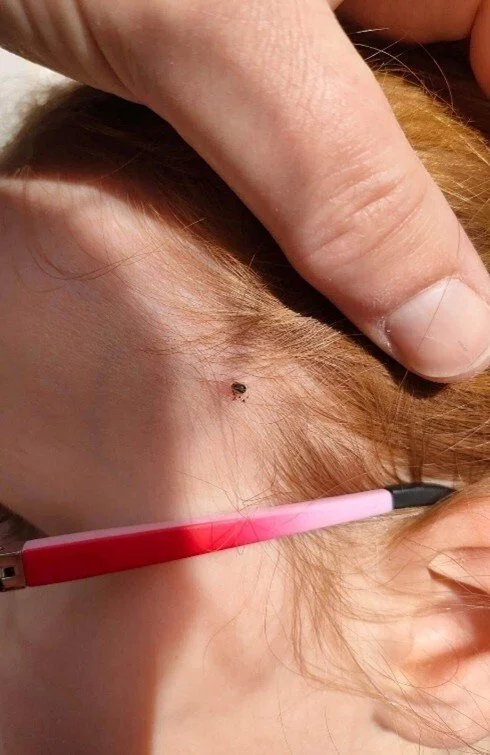
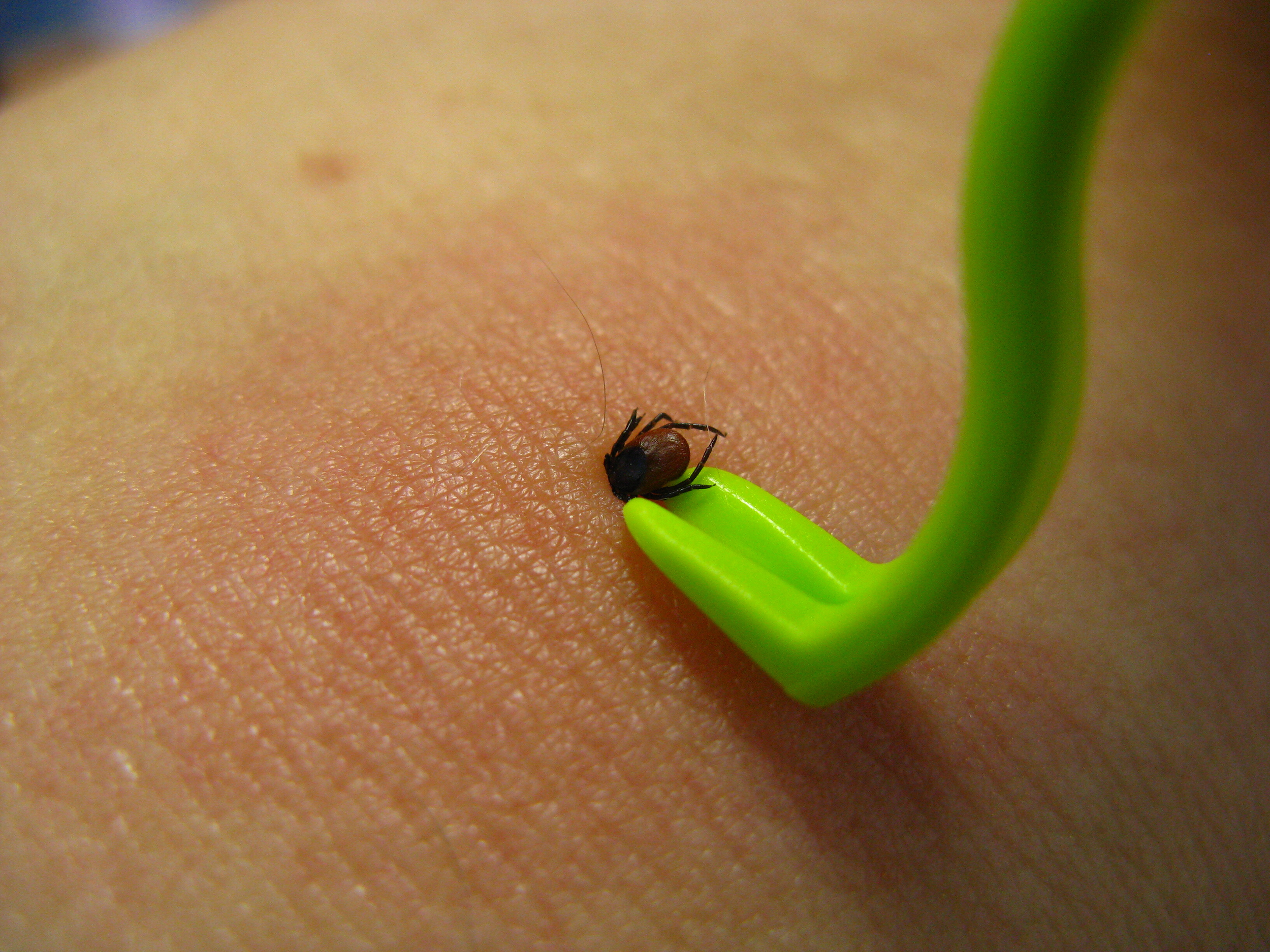
For pharmacy teams, the first point of intervention is often practical advice. If a patient presents with an embedded tick, correct removal is critical. The tick should be removed promptly using a purpose-designed tick removal tool or fine-tipped tweezers. The technique is straightforward but must be precise: grasp the tick as close to the skin as possible and pull upwards steadily without twisting or crushing. Remedies such as applying petroleum jelly, alcohol, or heat should be avoided, as these can stress the tick and increase the risk of disease transmission.
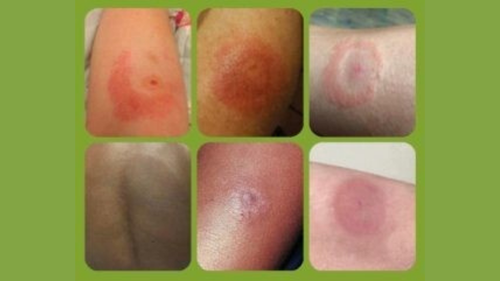
Equally important is recognising early symptoms. The most well-known sign of Lyme disease is the erythema migrans rash, often described as a “bull’s-eye” pattern, although it can vary significantly in appearance and may not always be present. Patients may also report flu-like symptoms, including fever, fatigue, headache, and muscle or joint pain. Pharmacy teams should be alert to these presentations, particularly where there is a history of tick exposure, and advise prompt medical assessment.
Pharmacy teams are not expected to diagnose or treat Lyme disease, but as a first point of contact they play a crucial role in directing patients appropriately. The condition sits outside the Pharmacy First pathway and requires GP referral, making early recognition and clear signposting essential. Prompt antibiotic treatment is usually effective, while delays can lead to complications affecting the joints, nervous system, or heart.
Lyme Disease UK provides practical resources for pharmacy teams, including visual guides and awareness materials. During May - and beyond - making use of these tools can help ensure consistent messaging and confident patient support. In a healthcare system under pressure, recognising a potential case and acting decisively is not just good practice - it can significantly improve patient outcomes.
























Frequently Asked Questions (FAQs)
-
It highlights the growing risk of tick bites and reminds pharmacy teams of their role in prevention advice, early recognition and referral.
-
Lyme disease is caused by the bacterium Borrelia burgdorferi and is transmitted through the bite of infected ticks.
-
Exposure can occur anywhere, including grassy and wooded areas, urban parks and gardens.
-
Early symptoms can include an erythema migrans rash, flu-like symptoms, fever, fatigue, headache, and muscle or joint pain.
-
No. Lyme disease sits outside the Pharmacy First pathway and requires GP referral.
-
By providing practical tick removal advice, recognising potential symptoms, and signposting patients promptly for medical assessment.

Today, I represented Community Pharmacy Scotland on BBC Scotland television and BBC Radio Scotland, discussing the availability of private flu vaccinations in community pharmacy and how people can prepare for winter