
Tick Bites & EM Rashes
Published: 24th June 2026
As we enter further into summer, our colleagues at Lyme Resource Centre have shared the following guidance for community pharmacy teams on tick bites and erythema migrans (EM) rashes.
Lyme Disease: What Health Professionals Need to Know
What is Lyme disease?
Lyme disease is a bacterial infection caused by the spirochete Borrelia burgdorferi and transmitted by the bite of an infected tick. It is the most common tick-borne disease in the northern hemisphere and can affect all ages. The disease pattern found depends on the borrelia genospecies (LD Europe vs USA):
In Europe - more neurological & dermatological symptoms
In USA - more arthritic symptoms
Lyme disease is a stealth infection which has the ability to evade the immune system, and can present at any time of year, and at any stage of disease.
Lyme disease was named after Old Lyme, a town in Connecticut, USA where the infection was first misdiagnosed as juvenile rheumatoid arthritis in a cluster, although it has been seen in Europe since early 20th century.
Signs and Symptoms:
Symptoms of Lyme disease may include flu like symptoms, neurological symptoms ( i.e. facial palsy), cardiac symptoms, fatigue, stiffness in joints etc. You can read more in the RCGP Lyme disease Toolkit for all health professionals
An erythema migrans (EM) rash is diagnostic of Lyme disease - so no test is required; antibiotics should be prescribed as soon as possible according to NICE guideline 95. However, an EM rash is only present in 70% of cases, may not be at the site of the tick bite (and many will not remember a tick bite). An EM rash can appear from 3 to 30 days after the bite (or later) so it’s important to take a full history of where/when the patient was enjoying outdoor activities like gardening, walking/camping in grasslands over previous weeks not just days.
Key facts about EM rashes:
Expanding red rash - not always bullseye; can be uniform, circular / oval / irregular - See EM images
Bullseye appearance in a third of cases only
Not usually hot, itchy or painful.
Easily misdiagnosed as other insect bite (cellulitis / ringworm); history is key
Different appearance on pigmented skin (e.g., deep on skin tone, difficult to capture in photos)
Take note of the behaviour of the rash over time (not just at point of observation) - delayed, expanding etc.
Requires antibiotics even if rash resolves spontaneously
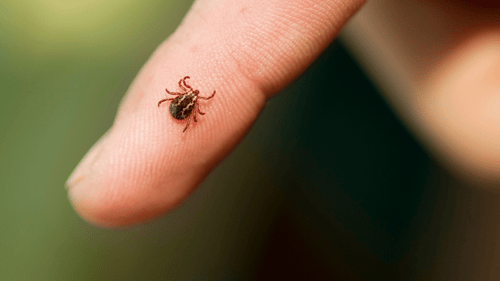
Do you know how to differentiate between insect bites and tick bites?
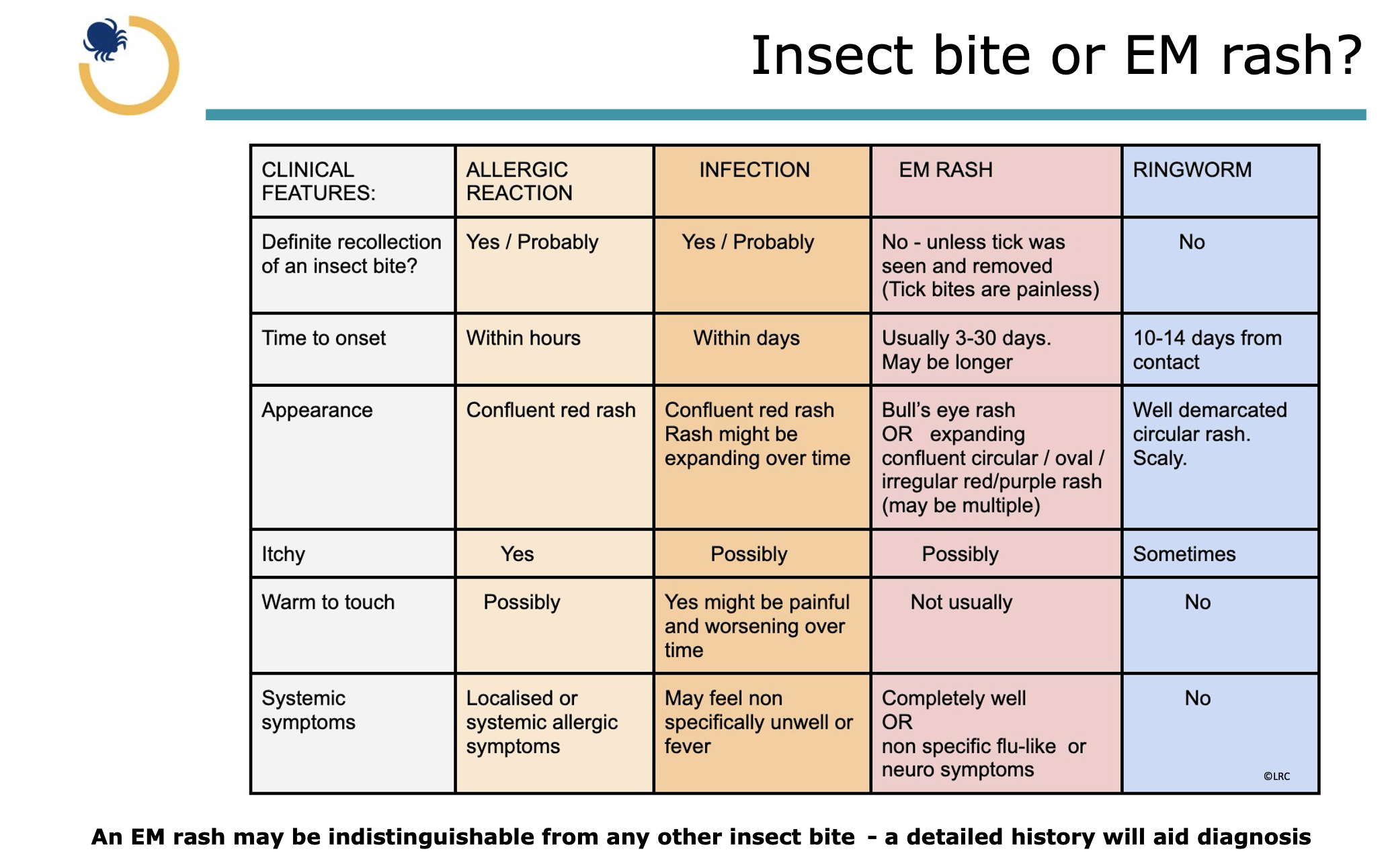
Image credit: Lyme Resource Centre (LRC). Copyright © LRC.
Useful Resources
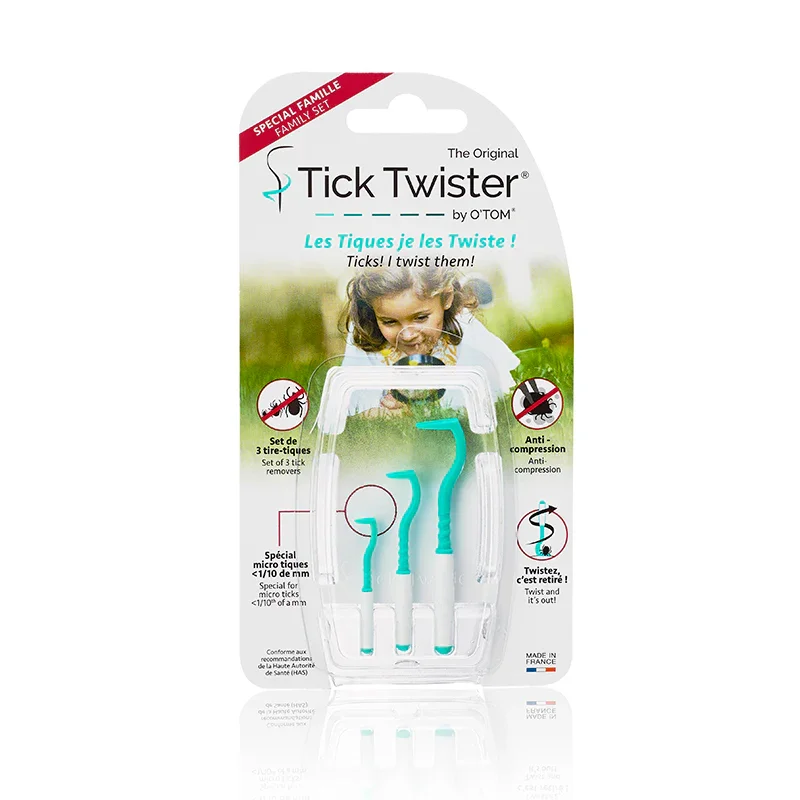
Tick Twister® tick removal tools can be purchased from LRC online retail partner Stelr Pets - Use Code LRC25 for 25% discount.
Please note that every unit purchased using these codes raises 25p for LRC, helping to support our work. Thank you for supporting LRC
Disclaimer: The inclusion of this product information and discount code is for informational purposes only and does not imply endorsement by Community Pharmacy Scotland (CPS). Any purchases are made directly with the retailer, and CPS accepts no responsibility for the product or any related transactions.Recognising Lyme Disease
BMJ Antibiotic Choices Infographic for healthcare professionals
Source: The BMJ Antibiotic Choices Infographic on recognising Lyme disease. Copyright © BMJ Publishing Group Ltd.
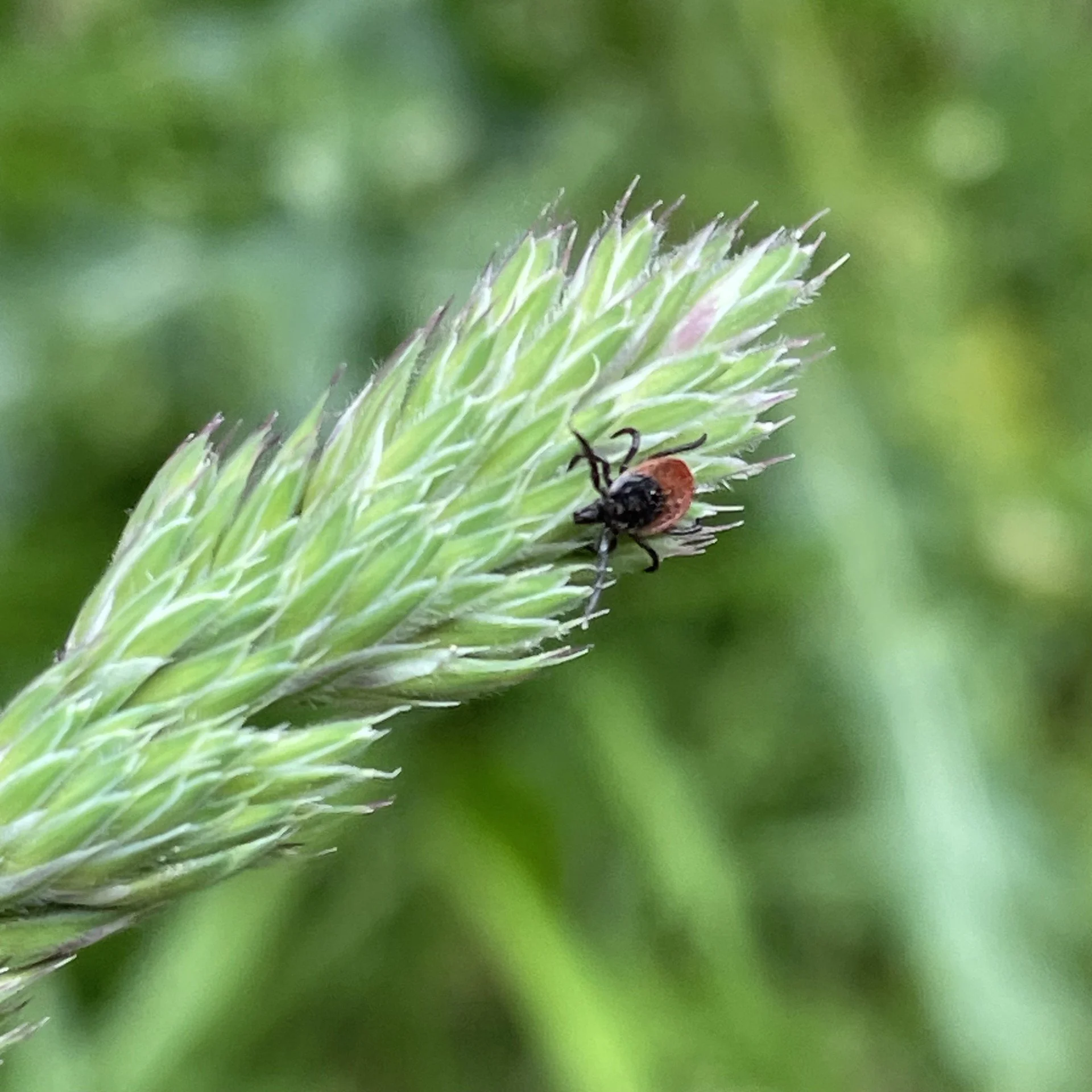
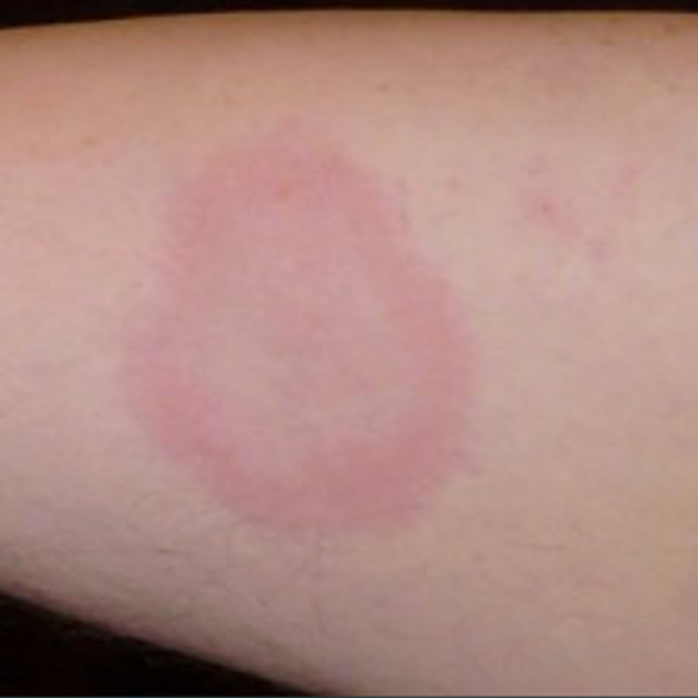
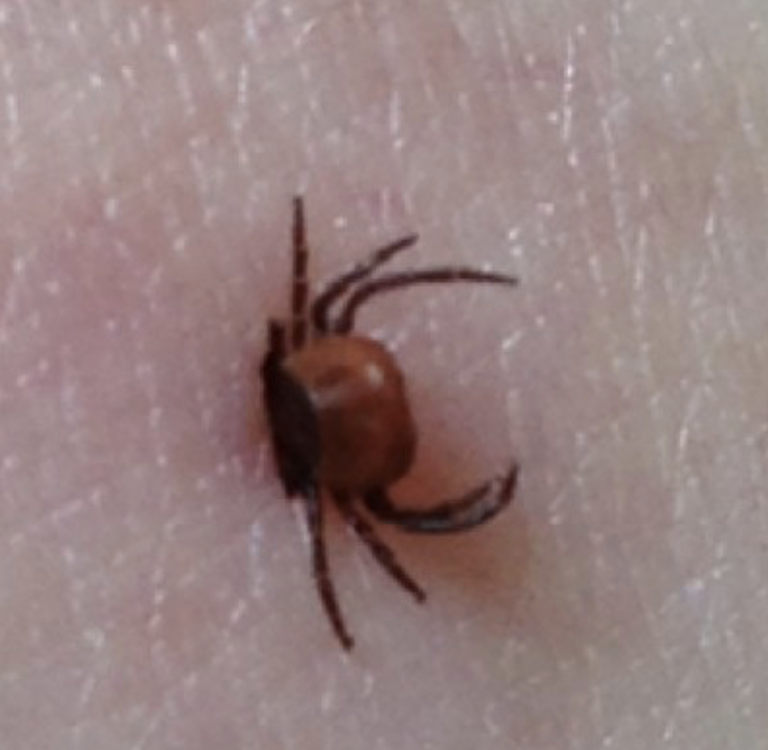

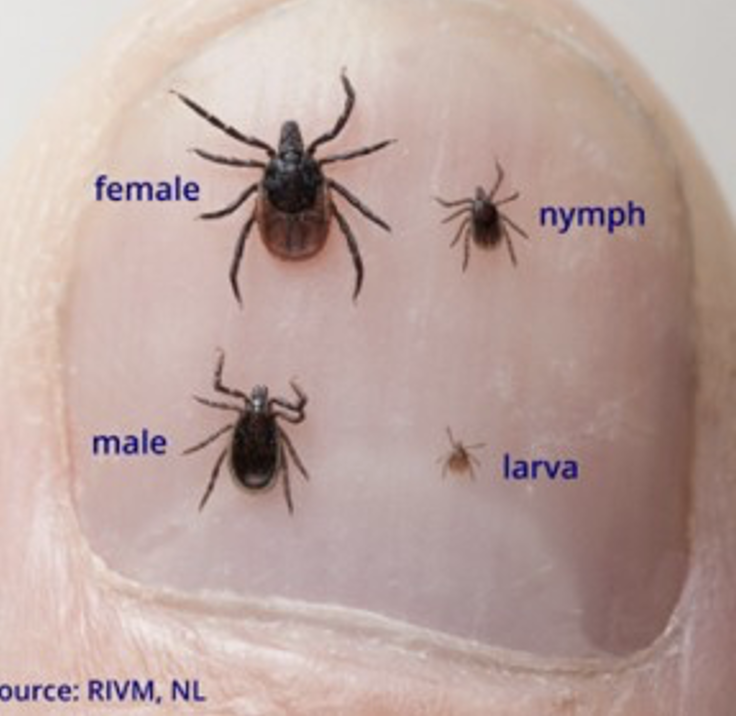
Image credit: Lyme Resource Centre (LRC). Copyright © LRC. Source RIVM.NL




Frequently Asked Questions (FAQs)
-
from LRC the website: www.lymeresourcecentre.com
-
Lyme disease is a zoonotic infection, caused by a spirochete bacterium called Borrelia burgdorferi (and other genospecies). It is the most common tick-borne disease in the northern hemisphere and can affect all ages. The disease pattern found depends on the borrelia genospecies (LD Europe vs USA):
-
Symptoms of Lyme disease may include flu like symptoms, neurological symptoms ( i.e. facial palsy), cardiac symptoms, fatigue, stiffness in joints etc. You can read more in the RCGP Lyme disease Toolkit for all health professionals
-
Please see the following flowchart here
As we enter further into summer, our colleagues at Lyme Resource Centre have shared the following guidance for community pharmacy teams on tick bites and erythema migrans (EM) rashes.