
CEO Insights: Public Service Reform - Patient First Approach
Published: 16th September 2026
The opportunities and risks for community pharmacy as Scotland considers major NHS structural reform. This is the first of a two-part article. Part 2 will be published next week.
Scotland is entering what may be the most significant period of public service reform since devolution.
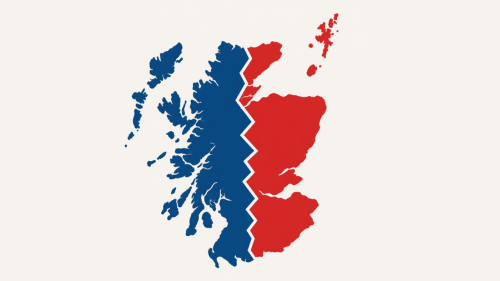
The Scottish Government has signalled its intention to reshape public services around prevention, early intervention, greater integration and a reduction in bureaucracy. Central to this agenda is the proposal to reduce the number of territorial NHS Boards, potentially moving from fourteen boards to two strategic regional organisations covering the east and west of Scotland.
As someone who has spent many years working within and alongside the health service, I believe there is much to welcome in the ambition behind these reforms. Equally, there are important questions that must be answered if the changes are to deliver genuine benefits for patients and communities.
Most importantly, we must remember that reorganising structures is not the same as reforming services.
The Case for Reform
There can be little disagreement that Scotland's health and care system faces profound challenges. Demand continues to rise, workforce pressures are growing, health inequalities remain stubbornly persistent and public finances are under increasing strain.
The model we have relied upon for decades was largely designed to respond to acute illness. The challenge today is very different. We have an ageing population living longer with multiple long-term conditions, requiring ongoing support much closer to home.
That reality demands a different approach.
The direction of travel towards prevention, early intervention and care delivered in community settings is one that Community Pharmacy Scotland has consistently supported. Indeed, it sits at the heart of our own strategic vision: preventing, detecting and treating illness close to home, helping to create healthier communities across Scotland.
If public service reform genuinely redirects resources and decision-making towards community-based care, then community pharmacy must be part of that conversation from the outset.
Every day, over 1,200 community pharmacies provide care without appointment, without waiting lists and within walking distance of most of Scotland's population. Community pharmacies are already reducing pressure on GP practices, NHS 24, urgent care services and hospitals through services such as Pharmacy First. The opportunity now is to build upon that foundation and do even more.
Potential Benefits of Fewer Health Boards
There are also understandable arguments in favour of reducing the number of territorial health boards.
For many years, healthcare leaders have spoken about duplication of effort across Scotland. Fourteen boards often means fourteen approaches to implementation, fourteen governance structures and fourteen sets of priorities competing for attention.
In theory, a more streamlined system could:
Reduce administrative duplication.
Improve consistency of service delivery.
Accelerate national implementation of successful innovations.
Enable greater sharing of specialist expertise.
Make digital integration easier.
Create a stronger “Once for Scotland” approach.
For community pharmacy, one of the most attractive possibilities is greater consistency. Too often, successful local initiatives remain local. We have seen examples where community pharmacy services are embraced enthusiastically in one part of the country but not adopted elsewhere. A more coordinated structure could help Scotland move more quickly from pilot to national delivery.
If reform removes organisational barriers and allows proven services to scale faster, that would be a positive outcome for both patients and the NHS.
Looking Ahead
The ambition behind these reforms is one that community pharmacy can share. A system built around prevention, consistency and care close to home is exactly where our network can make the greatest difference.
But ambition alone will not deliver better care. In Part 2, published next week, I will look at the risks that come with structural change on this scale, the questions that must be answered to ensure reform genuinely improves outcomes for patients, and the opportunity this moment presents for community pharmacy.
This information was correct at the time of publication. Policy and guidance can change, so please check our latest news for the current position. For anything else, please contact enquiries@cps.scot























Frequently Asked Questions (FAQs)
-
The Scottish Government has proposed reducing the number of territorial NHS Boards, potentially moving from fourteen boards to two strategic regional organisations covering the east and west of Scotland. This sits within a wider reform agenda focused on prevention, early intervention, greater integration and a reduction in bureaucracy.
-
The move towards prevention, early intervention and care delivered in community settings aligns closely with CPS's strategic vision of preventing, detecting and treating illness close to home. Over 1,200 community pharmacies already provide care without appointment, without waiting lists and within walking distance of most of Scotland's population, and services such as Pharmacy First are already reducing pressure on GP practices, NHS 24, urgent care services and hospitals.
-
One of the most attractive possibilities is greater consistency. Successful community pharmacy services are sometimes embraced in one part of the country but not adopted elsewhere. A more coordinated structure could help Scotland move more quickly from pilot to national delivery, reduce administrative duplication and support a stronger "Once for Scotland" approach.

Our colleagues at the GPhC Inspectorate have asked us to pass on a friendly reminder as to the procedures required for Community Pharmacies to appropriately deal with Private Prescriptions for Controlled Drugs.